

We had been prepared for a commercialised Bethlehem but not for the wonder of it.
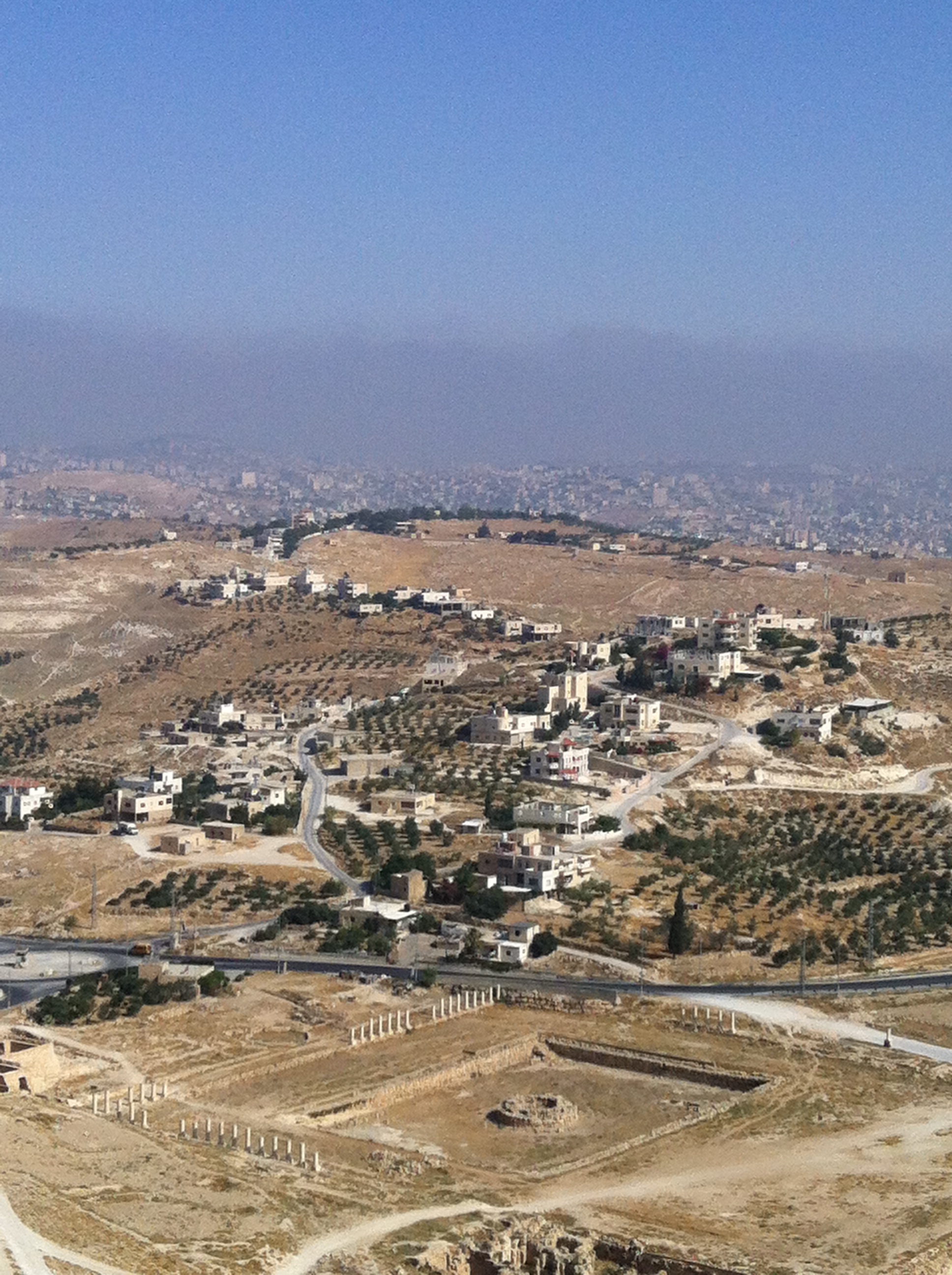
The day began with the short drive from Jerusalem to Herodium

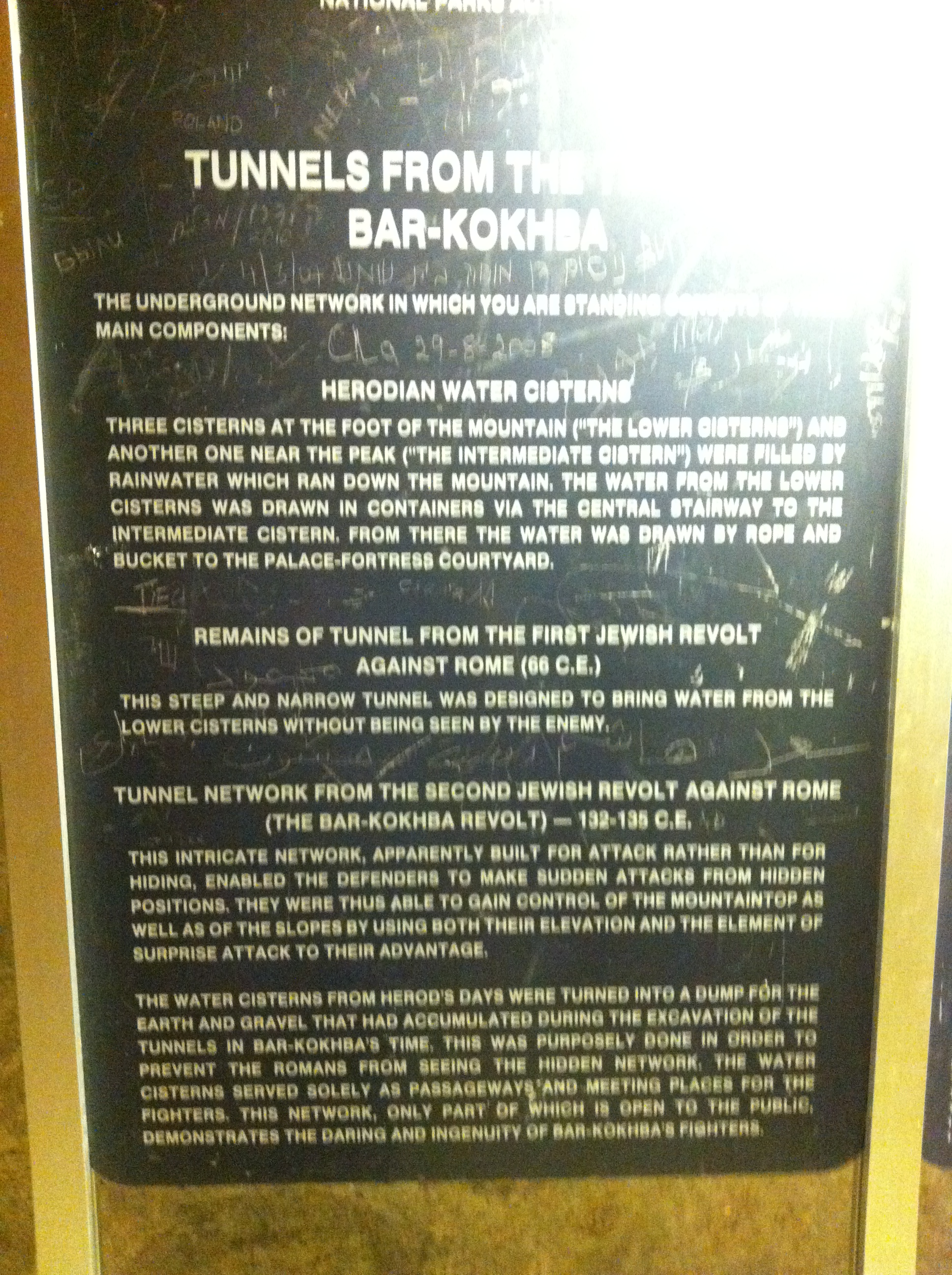
Herod’s palace is still very clear inside his manmade mountain, as are the traces of further work by Jews who stayed a while on the occasions of the two Jewish revolts. The impressive water cisterns provided Herod with safety from his enemies – Jews and Romans who disliked him- and later provided ways of escape for fleeing Jews as the fortress lies between Jerusalem and the Judaean desert.
Thence to the outskirts of Bethlehem where we walked through pine trees and a lovely garden in the Shepherds Fields. There is an exquisite small circular modern church over the shepherds cave where we celebrated the Eucharist. The church told the story of the angel’s appearance to the shepherds and their finding of the baby Jesus. Verses of the Gloria were picked out in golden mosaic around the central dome.
The Eucharist, though in the heat of 25th June not December, brought us close to the Nativity.
We walked back past a lovely fountain featuring sheep, through the pine trees once more to the Bethlehem co-operative where, after enjoying a cold drink and mint tea, we shopped to our hearts content among icons, olivewood, mother of pearl, gold and silver and some very encouraging Palestinians.
Back on the coach there was the shock of the high curved dark metal wall built around Bethlehem keeping many Palestinians confined.
We ate lunch in the Bethlehem Arab Rehabilitation Society offering modern hospital facilities within Bethlehem . It was originally a Cheshire Home.
Then to the Church of the Nativity and Manger Square. The tiny entrance led to one of the few churches not destroyed by the Persians, due apparently to a mosaic depicting the Magi in Persian clothing. The church was built in the 4th century by Queen Helena, mother of Constantine, who had so many holy sites protected and celebrated by churches. Some of the mosaic floor of the original church is still in good condition. Vespasian had the current building constructed – the pillars along the central part of the church bear traces of painted saints .
We were very lucky to be able to go down to see the place said to be the birthplace of Christ without having to wait in a queue. Surrounded by hanging lamps the star marking the site is silver set into marble. We were stopped from singing there…
From there we visited a catholic church of St Catherine which is over the site of St Jerome’s cave – where he is said to have translated the Bible into Latin. There were 2 lovely wood carvings including one of St Jerome. The church itself was light and meaningful, a place for prayer.
Altogether a day of wonders. Yes of course there was a commercial face of Bethlehem but strangely this was not so overdone as the hot dark depths of the Church if the Holy Sepulchre in Jerusalem. Perhaps we were just lucky to arrive in Bethlehem at a less popular time, perhaps the militarily isolated position of Bethlehem helped or perhaps we are just getting used to accepting and ignoring the street sellers and are more able to focus on the wonder of just being in Bethlehem instead of only singing about it.
 Learning to be Christian